Hazardous Location
Wiring
Specialized explosion-proof electrical engineering for high-risk industrial environments across Ocean and Monmouth Counties.
Safety in High-Risk Hazardous Areas
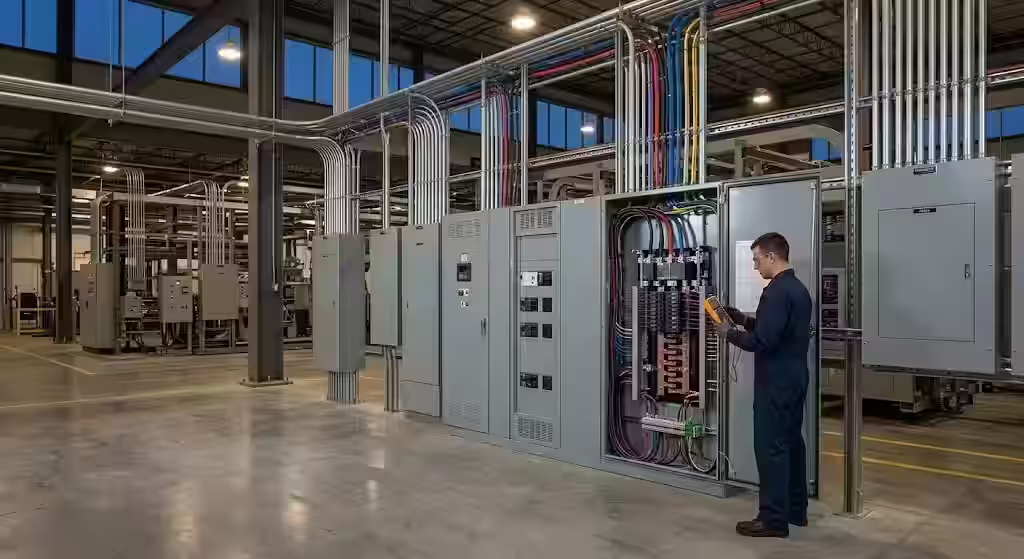
Operating an industrial facility where flammable gas, vapors, or combustible dust are present requires more than standard electrical knowledge—it requires a total commitment to explosion proof engineering. In these volatile hazardous locations, a single spark from a standard switch or motor can lead to a catastrophic failure. At Bixler Electric Inc, we provide specialized hazardous location wiring solutions for classified facilities throughout Ocean and Monmouth Counties, ensuring your infrastructure is built to contain internal explosions and prevent external ignition.
We are experts in navigating the complexities of Class I Division, Class II, and Class III environments as defined by the National Electrical Code. From chemical processing plants to grain handling facilities, we install the heavy-duty rigid conduit systems, seal-off fittings, and specialized equipment required to keep your workforce safe. As local electricians, we provide the technical expertise needed to ensure your electrical installation satisfies the stringent safety standards required by insurers and municipal sub-code officials.
Explosion Proof Enclosures & Seal-Offs
The core of protection in these classified locations is containment. We specialize in the installation of explosion proof enclosures designed to withstand internal pressures and prevent the escape of hot gases. Proper seal-off installation is critical to prevent the passage of flammable materials through your conduit network. We ensure every fitting is poured with the correct sealing compound to create a vapor-tight barrier. This level of precision protects your entire distribution network from becoming a pathway for combustion in any hazardous area.
Intrinsically Safe Systems & Division Standards
For many sensors and control circuits, we implement intrinsically safe wiring methods. By limiting the electrical energy available in a circuit, we ensure it is incapable of causing ignition even under fault conditions. This approach is essential for modern process automation, including Variable Frequency Drives (VFDs) operating within a Class I Division 1 or Division 2 zone. Our team handles the complex wiring and barrier installations required to keep your technical operations running at peak efficiency without compromising safety in hazardous locations.
Compliance & System Verification
Compliance in hazardous areas is a matter of legal and physical security. We coordinate directly with municipal inspectors in Toms River and Wall to verify that your facility aligns with all NJ Electrical Sub-Code requirements. Our safety protocols involve rigorous industrial inspections, utilizing thermal imaging to detect failing components before they reach ignition temperatures. Whether you are managing a 200 amp service upgrade for a specialized workshop or a large-scale industrial distribution fit-out, we ensure your location is bulletproof.
NJ Electrical Business Permit & License #12751
Hazardous Containment Protocol
-
Site Classification
We perform a detailed analysis of your operational gas or dust risks to correctly classify the hazardous locations and select the appropriate safe hardware.
-
Technical Install
Our professional team handles your work directly. We execute rigid conduit runs and explosion proof terminations to ensure total protection and containment.
-
System Verified
Before handover, we conduct a technical verification and manage all municipal inspections to guarantee your hazardous area is fully code-compliant.
Hazardous Wiring FAQ
What is the difference between Class I, II, and III locations?
Class I involves flammable gas or vapors. Class II involves combustible dust. Class III involves ignitible fibers. Each division requires specific equipment and wiring methods to prevent explosions.
Why are conduit seals necessary?
Conduit seals prevent the passage of gas or flames through the wiring system. This ensures that an internal explosion in one part of the system cannot travel to other classified locations.
Does Bixler Electric Inc handle the safety permits?
Absolutely. Hazardous locations require specialized permits and electrical inspections. We manage the entire process to ensure your classified facility meets all national safety codes.
Secure Your High-Risk Facility
Contact Bixler Electric Inc today for a professional consultation and bid on explosion proof wiring and hazardous location safety systems.